
When your child needs hospital treatment, one of your biggest concerns may be whether you can remain by their side throughout the night. Being separated from a sick or frightened child can be distressing, particularly when they are very young or unfamiliar with hospital surroundings.
The good news is that most NHS children’s wards in the UK allow one parent or carer to stay overnight with their child. However, sleeping arrangements, available facilities and individual hospital policies can vary.
This guide explains everything you need to know about staying overnight with your child in hospital, including NHS policies, accommodation, what to bring and how to prepare for a comfortable stay.
Can Parents Stay Overnight With Their Child in an NHS Hospital?
Yes. Most NHS hospitals encourage one parent, guardian or designated carer to stay overnight with a child admitted to a paediatric ward.
Hospitals recognise that having a familiar adult nearby can provide reassurance, reduce anxiety and help children cope with medical procedures.
The NHS generally supports parental involvement in children’s care, although individual trusts determine their overnight accommodation arrangements.
Typical arrangements include:
- One parent or carer: Usually permitted to stay overnight beside the child’s bed.
- Two parents: May visit during permitted hours, but overnight space is often limited to one adult.
- Babies and toddlers: Parents are commonly encouraged to remain closely involved in their care.
- Older children and teenagers: Overnight arrangements may depend on the young person’s preferences, privacy and clinical needs.
- Intensive care: Parents may have extensive access, but sleeping arrangements can differ from those on general children’s wards.
Always check directly with the ward before admission because policies and facilities can change.
What Are the NHS Rules for Parents Staying Overnight?
There is no single nationwide NHS rule guaranteeing identical overnight accommodation in every hospital.
However, several important principles support family involvement in children’s healthcare.
The Importance of Family-Centred Care
NHS children’s services commonly follow a family-centred approach, recognising parents as essential partners in a child’s treatment and recovery.
Parents can help healthcare professionals understand their child’s usual behaviour, communication needs, medical history and emotional wellbeing.
The NHS also promotes involving children, young people and their families in decisions about healthcare.
Do Parents Have a Legal Right to Stay Overnight?
Parents do not have an unconditional legal right to a hospital bed or overnight sleeping accommodation.
However, Article 9 of the United Nations Convention on the Rights of the Child supports the principle that children should not be separated from their parents against their will except where necessary in the child’s best interests.
This does not automatically guarantee overnight accommodation, but it reinforces the importance of maintaining family relationships during hospital treatment.
If you encounter restrictions, ask the ward manager whether alternative arrangements are possible.
Where Do Parents Sleep When Staying Overnight in Hospital?
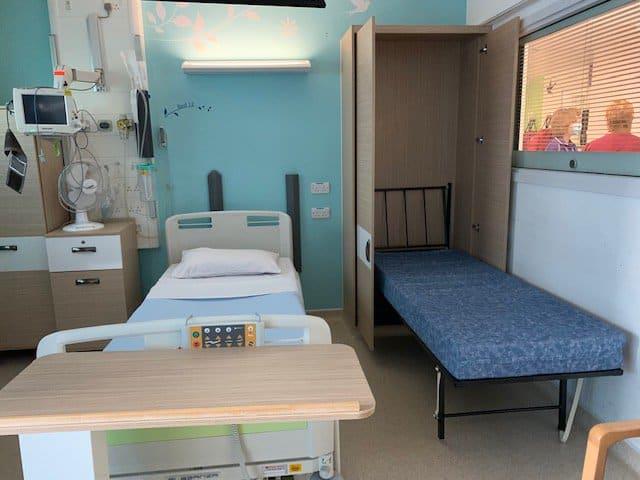
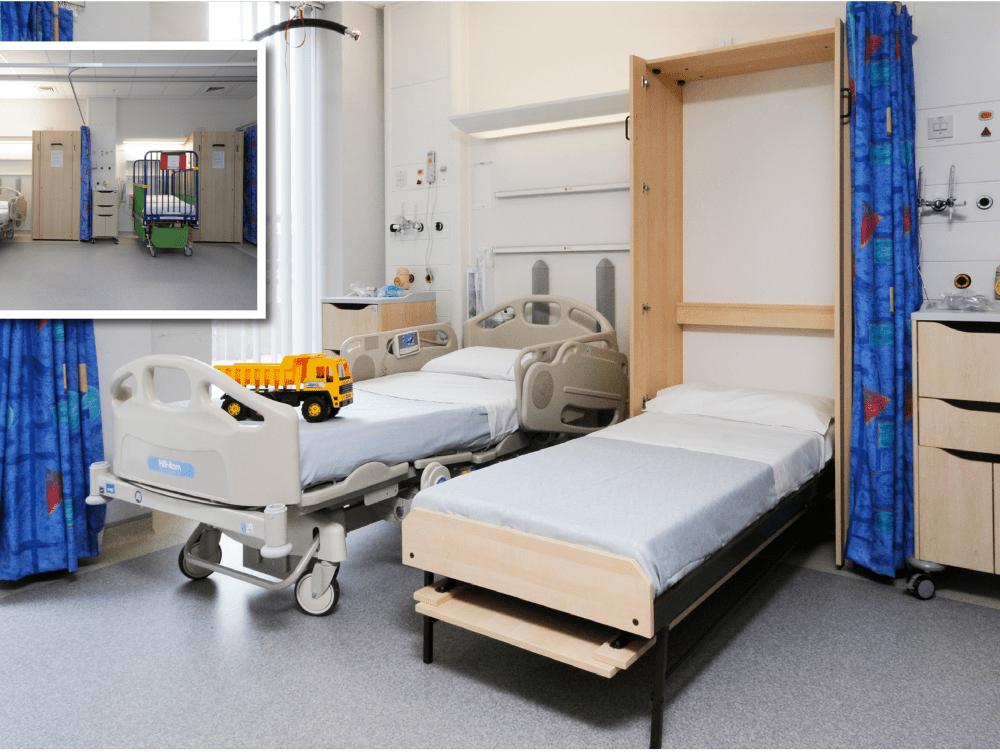
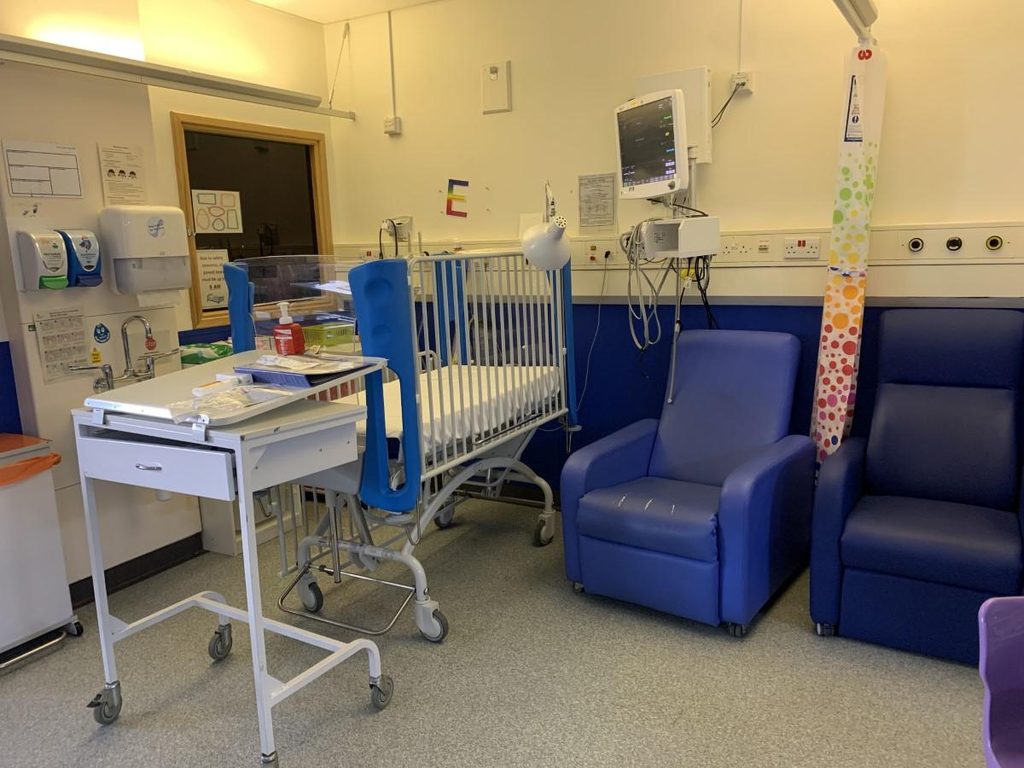
Parent sleeping facilities vary considerably between hospitals. Some children’s wards offer comfortable accommodation, while others have limited space.
| Accommodation type | What to expect |
|---|---|
| Reclining chair | Common beside a child’s hospital bed |
| Fold-out bed | Available in some children’s wards |
| Parent bedroom | Offered by certain hospitals, subject to availability |
| Family accommodation | May be available near specialist hospitals |
| Hospital hotel or nearby lodging | Sometimes arranged for longer admissions |
Organisations such as Ronald McDonald House Charities UK provide accommodation near participating hospitals for eligible families, subject to availability and referral arrangements.
Ask whether bedding, pillows and shower facilities are supplied before packing.
Can Both Parents Stay Overnight With Their Child?
In most hospitals, only one parent or carer can sleep beside a child’s hospital bed at a time.
This is primarily because of limited space, infection prevention measures and the need for healthcare professionals to access patients safely.
However, exceptions may be considered when a child is critically ill, receiving end-of-life care or has additional needs requiring extra family support.
Parents can often alternate overnight responsibilities, allowing each adult some time to rest.
What Should You Bring for an Overnight Hospital Stay?
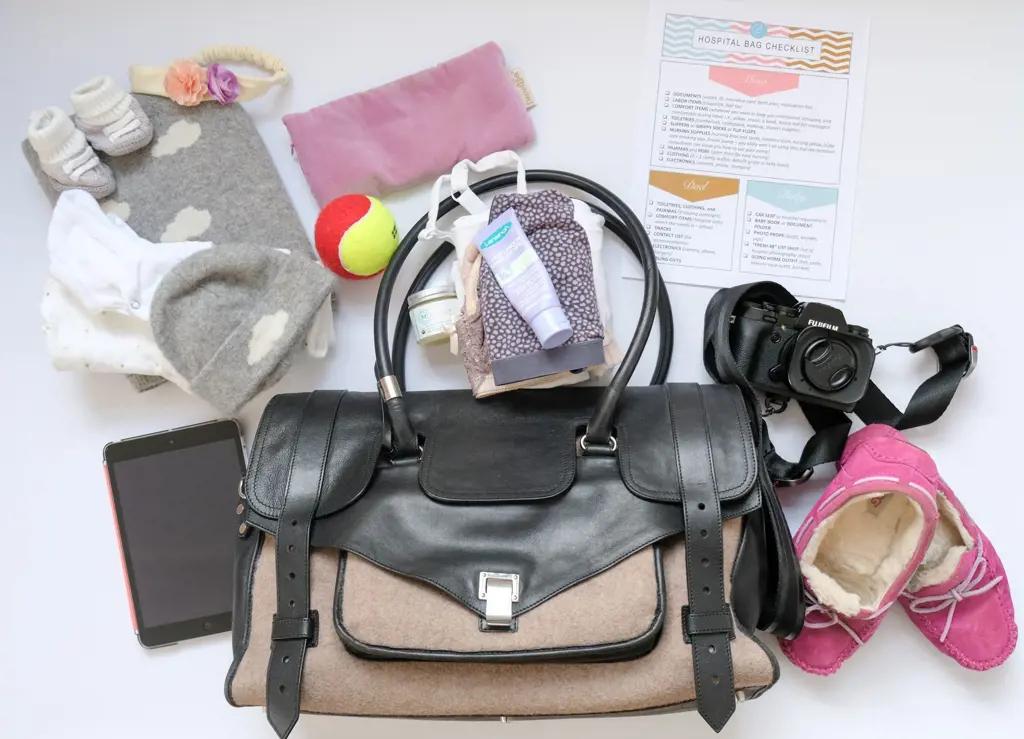
Preparing a small overnight bag can make an unexpected admission much easier.
Essential items for parents:
- Comfortable clothes, nightwear and spare underwear
- Toothbrush, toothpaste and basic toiletries
- Phone charger and headphones
- Refillable water bottle and snacks
- Prescription medication in original packaging
- Slippers or comfortable footwear
- Book, tablet or other quiet entertainment
Comfort items for your child:
- Favourite teddy bear or comfort blanket
- Pyjamas and spare clothing
- Books, colouring materials or small toys
- Necessary nappies or personal care supplies
- Familiar items that support their usual bedtime routine
Avoid bringing valuable belongings or bulky luggage because storage space may be limited.
How Much Does It Cost to Stay Overnight With Your Child?
Staying beside your child on an NHS children’s ward is generally free of charge.
However, additional expenses may include meals, parking, travel and accommodation outside the hospital.
Some hospitals offer discounted parking, parent kitchens or meal vouchers.
According to Ronald McDonald House UK, its 14 Houses supported 8,488 families in 2025, with an average stay of 16 nights. Its accommodation is provided free to eligible families. Ronald McDonald House UK+1
Ask the hospital’s family support team about available financial assistance.
What Happens If Your Child Is in Intensive Care?
Overnight arrangements in a paediatric intensive care unit (PICU) may differ from those on a general ward.
Parents are often encouraged to remain closely involved, but sleeping beside the bed may be restricted because of medical equipment, limited space or emergency access requirements.
Some hospitals provide nearby family rooms or accommodation instead.
For example, the Royal Hospital for Children in Glasgow explains that families of children in critical care may be offered alternative accommodation, assessed individually. RHCG
What If You Cannot Stay Overnight?
Not every parent can remain at the hospital because of work, childcare responsibilities, health or travel difficulties.
If you need to leave, explain the situation to your child in age-appropriate language. Tell them when you expect to return and arrange updates with the nursing team.
A familiar toy, bedtime phone call or reassuring message may help your child feel more secure.
Remember that hospital staff will continue caring for your child while you are away.
Frequently Asked Questions
Can I stay overnight with my 16-year-old in hospital?
Usually, yes, if the hospital’s facilities and policies allow it. Staff will also consider your teenager’s preferences, privacy and individual needs.
Can a grandparent stay overnight instead of a parent?
Many hospitals allow a nominated adult carer or relative, subject to approval. Confirm the arrangement with the nurse in charge.
Can I sleep in the same hospital bed as my child?
Generally, parents should use a separate bed or chair. Sharing a hospital bed may create safety risks, particularly for babies and children connected to medical equipment.
Can I leave the hospital during the night and return?
Often, yes, but inform the nursing team before leaving. Ask about security arrangements and overnight entry procedures.
Are parents allowed to stay overnight after their child’s surgery?
Usually, yes, once the child has been transferred to a suitable ward. Recovery and intensive care areas may have different arrangements.
Final Thoughts: Staying Close to Your Child in Hospital
So, can I stay overnight with my child in hospital? In most NHS children’s wards, the answer is yes.
The NHS confirms that at least one parent or carer can usually stay, with an extra bed or reclining chair sometimes available. NHS
Before admission, contact the ward to confirm its arrangements, available facilities and any restrictions. Being prepared can make a difficult experience more manageable for both you and your child.