
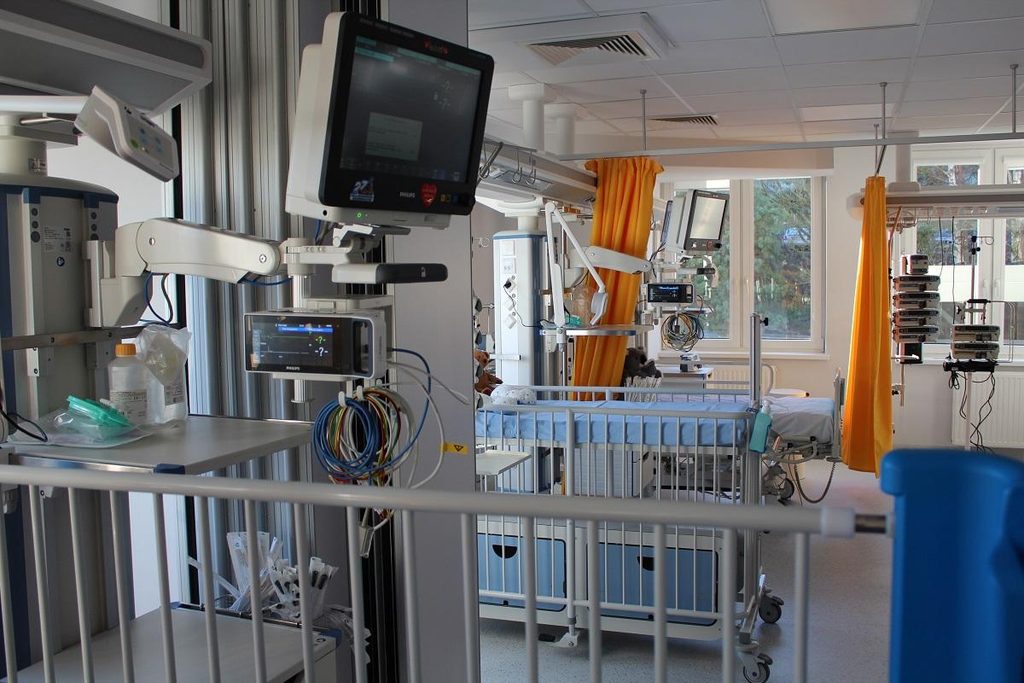
Walking into a children’s intensive care unit (PICU) can feel overwhelming. You may see flashing screens, hear alarms and notice unfamiliar machines connected to your child. For parents and carers, understanding what this equipment does can make an unfamiliar environment feel a little less frightening.
The reassuring thing to know is that most of these machines have one of two purposes: monitoring your child’s condition or supporting their recovery.
This guide explains the common monitors and machines found in children’s intensive care, what their readings mean and why alarms sound.
Why Are There So Many Machines in Children’s Intensive Care?
A paediatric intensive care unit (PICU) provides specialist care for babies, children and young people who are seriously ill or recovering from major surgery.
Unlike an ordinary hospital ward, intensive care provides continuous monitoring and specialist treatment. Equipment helps healthcare professionals identify changes quickly and respond appropriately.
Some machines monitor vital signs, while others assist with breathing, deliver medicines or support kidney function.
Importantly, having several machines attached does not automatically mean your child’s condition is getting worse. Many are used routinely to keep children safe while they recover.
Understanding the Monitors in a Children’s Intensive Care Unit
1. Heart Rate Monitor (ECG)
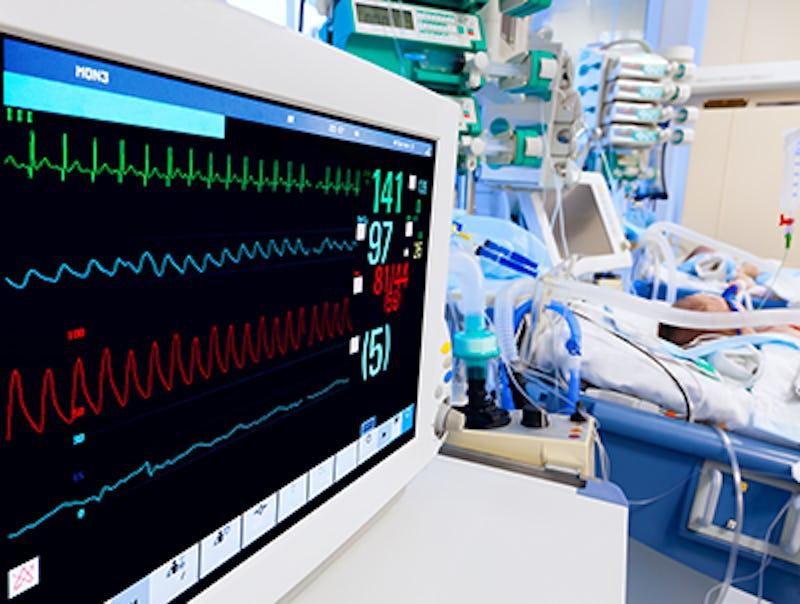
An electrocardiogram (ECG) monitor continuously tracks your child’s heart rate and electrical activity.
Small adhesive pads called electrodes are placed on the chest and connected to a monitor using wires.
The screen may display:
- Heart rate (HR): The number of heartbeats per minute.
- ECG waveform: A moving line representing the heart’s electrical activity.
- Alarm limits: Settings that alert staff when readings fall outside the chosen range.
Children generally have faster heart rates than adults, particularly when they are young. Heart rate also changes with sleep, pain, fever and activity.
A high or low reading does not necessarily indicate an emergency. The medical team interprets it alongside your child’s overall condition.
2. Oxygen Saturation Monitor (Pulse Oximeter)
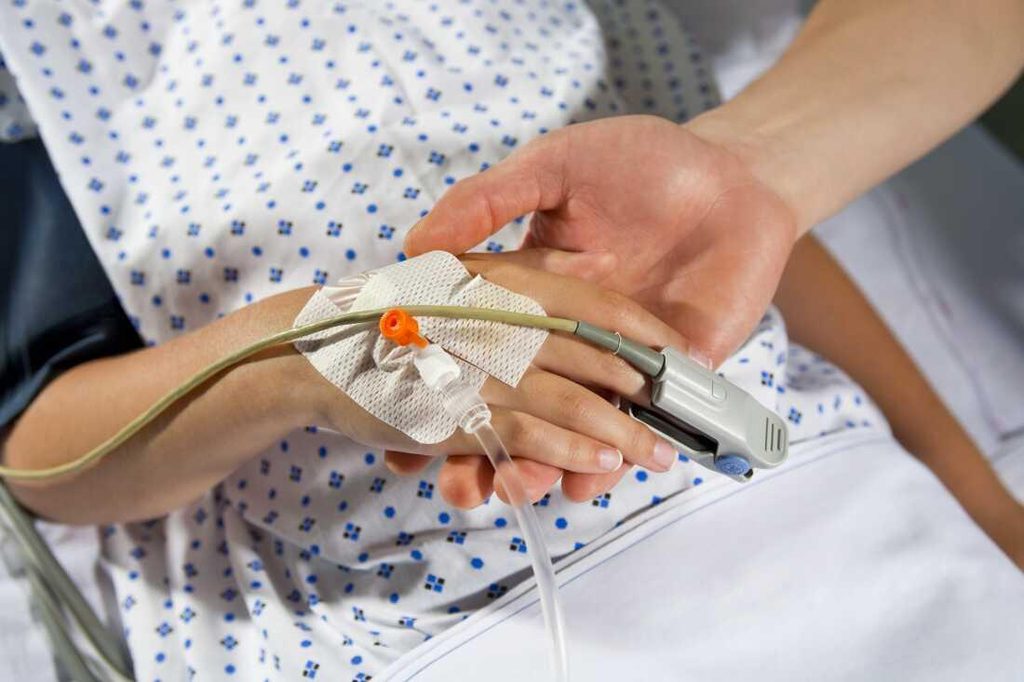
A pulse oximeter measures the estimated percentage of oxygen carried by haemoglobin in the blood.
A small sensor is usually attached to a finger, toe, foot or hand.
The monitor displays SpO₂, often alongside a pulse rate.
For many healthy children at sea level, oxygen saturation is typically around 95–100%. However, children receiving intensive care may have different oxygen targets depending on their medical condition.
Movement, poor circulation and sensor positioning can also affect readings.
Important: Never adjust oxygen equipment based solely on a monitor number. Ask the clinical team what oxygen range is appropriate for your child.
3. Blood Pressure Monitor
Blood pressure monitors measure how strongly blood pushes against artery walls.
In intensive care, this may be measured using an inflatable cuff or a thin tube inserted into an artery, known as an arterial line.
You may see three numbers:
| Reading | Meaning |
|---|---|
| Systolic | Pressure when the heart contracts |
| Diastolic | Pressure when the heart relaxes |
| MAP | Mean arterial pressure, reflecting average pressure during a heartbeat |
Normal blood pressure varies considerably with a child’s age, size and clinical circumstances.
The team uses these readings to assess circulation and guide treatment.
4. Breathing Rate and Temperature Monitors
The respiratory rate (RR) indicates how many breaths your child takes each minute. It may be measured using chest electrodes or other sensors.
Temperature monitoring helps staff recognise fever, low body temperature and changes during treatment.
These readings are interpreted together rather than individually.
What Do the Machines in Children’s Intensive Care Do?
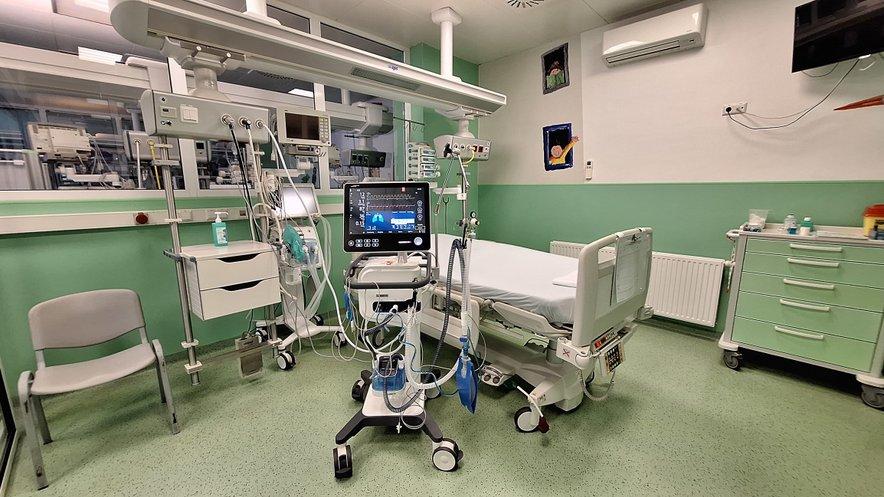
5. Ventilator: Helping Your Child Breathe
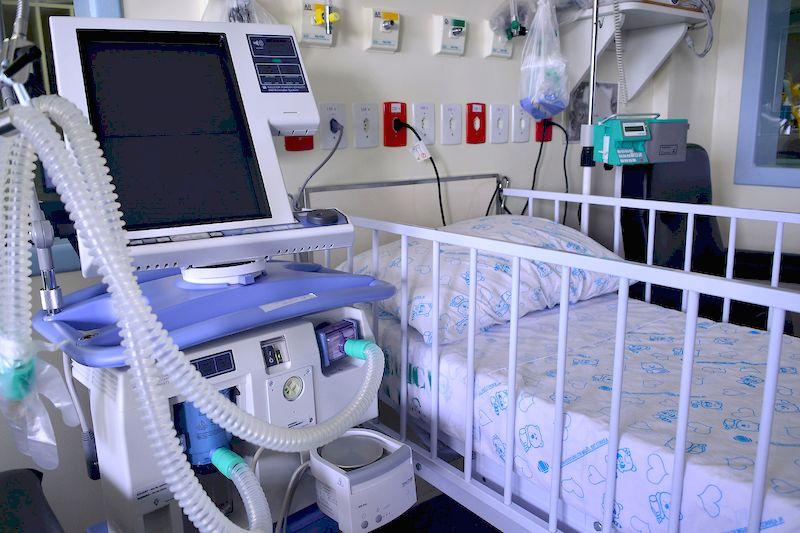
A ventilator supports breathing when a child cannot breathe effectively without assistance.
Depending on their condition, a child may receive breathing support through a mask or through a breathing tube placed into the windpipe.
A ventilator can help:
- Deliver oxygen and air to the lungs.
- Support or control breathing.
- Reduce the effort required to breathe.
- Maintain appropriate carbon dioxide levels.
Some children need ventilation briefly after surgery, while others require longer support.
Being on a ventilator does not necessarily mean permanent lung damage. The care team regularly assesses whether breathing support can safely be reduced.
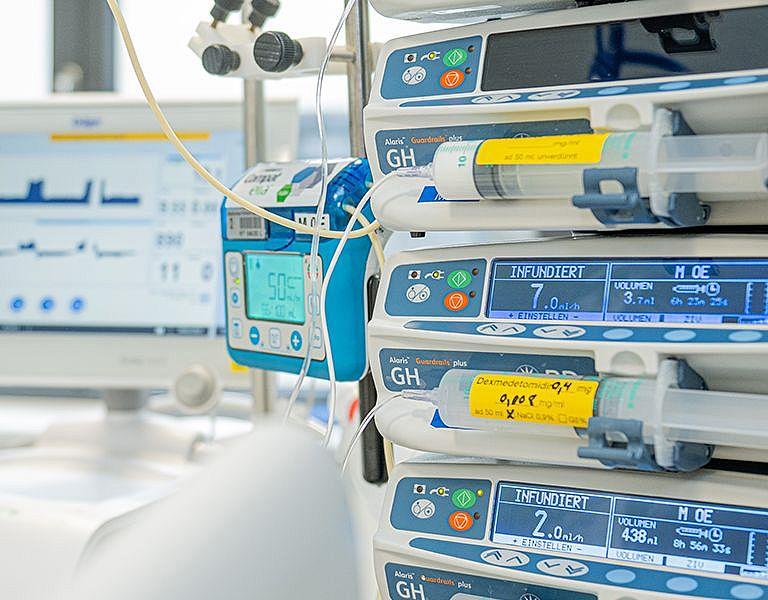
6. Infusion Pumps: Delivering Fluids and Medicines
Infusion pumps deliver precise amounts of fluids, nutrition or medication through intravenous (IV) lines.
They may administer antibiotics, pain relief, medicines to support blood pressure or other essential treatments.
Syringe pumps are particularly useful for delivering very small, carefully controlled doses.
Several pumps may be used simultaneously because different medicines require separate delivery rates.
7. Feeding Pumps: Providing Nutrition
Some critically ill children cannot safely eat or drink normally.
A feeding pump can deliver liquid nutrition through a tube passing into the stomach or intestine.
This helps provide calories, protein and other nutrients needed for healing.
If feeding through the digestive system is unsuitable, nutrition may sometimes be given intravenously.
8. Dialysis and Kidney Support Machines
When a child’s kidneys cannot adequately remove waste products or excess fluid, doctors may recommend kidney replacement therapy.
One form, continuous renal replacement therapy (CRRT), gradually filters blood over an extended period.
It can help manage fluid balance, waste products and certain blood chemistry abnormalities.
Needing this treatment does not always mean kidney damage is permanent. Recovery depends on the underlying illness and the child’s response.
Why Do Children’s Intensive Care Monitors Keep Beeping?
Alarms are one of the most stressful aspects of visiting intensive care.
However, not every alarm signals a medical emergency.
Monitors may beep because:
- A sensor has become loose.
- Your child has moved.
- A reading has temporarily crossed a preset limit.
- A medicine infusion has finished.
- A machine requires attention.
Some alarms are urgent, while others are technical notifications or reminders.
Staff assess alarms according to their priority and the child’s clinical condition.
Never silence, disconnect or adjust equipment yourself. If an alarm concerns you, tell a nurse.
How Can Parents Understand Their Child’s Monitor Readings?
The most helpful approach is to ask the bedside team to explain your child’s individual readings and treatment goals.
Useful questions include:
- What does each monitor measure?
- What readings are expected for my child?
- Which changes would concern the team?
- What should I do if an alarm sounds?
- Is my child needing more or less support than yesterday?
Remember that trends over time often provide more useful information than a single number.
Your child’s appearance, examination findings, blood tests and treatment response all contribute to clinical decisions.
Frequently Asked Questions About PICU Equipment
Can a monitor show an incorrect reading?
Yes. Movement, loose sensors, poor circulation and electrical interference can cause inaccurate readings. Staff check unexpected results against the child’s condition and other measurements.
Does removing a machine mean my child is recovering?
It can be an encouraging sign that less support is needed. However, equipment may also be changed or replaced for other clinical reasons. Ask the team what the change means.
Can parents hold their child while connected to machines?
Sometimes. Depending on the child’s condition and equipment, nurses may help parents safely cuddle, touch or comfort their child. Always ask before moving them.
Why are some children given medicine to keep them sleepy?
Sedation may help children tolerate breathing tubes, painful procedures or other intensive care treatments. The team balances comfort with the risks of medication and reassesses the need regularly.
Are PICU machines painful?
Most external monitors are not painful, although adhesive pads may irritate the skin. Procedures involving needles or tubes can cause discomfort, so staff use appropriate pain relief and comfort measures.
Final Thoughts: Understanding Your Child’s Intensive Care Equipment
The monitors and machines in children’s intensive care may look intimidating, but each serves a specific purpose in monitoring, treating or supporting your child.
You do not need to understand every number or alarm. Your child’s intensive care team is there to explain the equipment, answer questions and help you stay involved in their care.
Remember that general information cannot replace advice from your child’s own medical team.